


מה מייצגים צבעי מים שונים בג'קוזי חיצוני?
2026-09-17 15:30שינויי צבע בחוץ ספָּאלמי ג'קוזי יכולות להיות סיבות שונות לחלוטין. יוני ברזל, נחושת ומנגן, לאחר חימום או חמצון, יכולים להפוך את המים לצהוב, חום, כתום או כחול-ירוק. ריכוזים לא מספקים של חומרי חיטוי עלולים להוביל לצמיחה מיקרוביאלית, התפתחות אצות והפיכת המים לירוקים. הצטברות של זיעה אנושית, קוסמטיקה, מוצרי טיפוח לעור וחומרים אורגניים אחרים יכולה להפוך בהדרגה את המים לצהובים ועכורים. פילטרים סתומים, אלקליות כוללת חריגה ורמות pH גבוהות מדי או נמוכות מדי יכולים גם הם לשנות באופן משמעותי את צלילות וצבע המים. לכן, שינוי צבע במי ג'קוזי חיצוני אינו בעיה אחת, אלא בעיה מקיפה הדורשת התחשבות בצבע המים, צלילותם, ריחו, מצב פני השטח, היסטוריית השימוש ותוצאות בדיקות איכות המים.
חשוב מכך, צבע הוא רק סימפטום ולא יכול לקבוע את הסיבה בפני עצמו. כאשר מטפלים באופן מקצועי בבעיות איכות מים בג'קוזי חיצוני, יש לענות תחילה על שלוש שאלות: האם המים משנים את צבעם מצלולים או עכורים? האם הצבע הופיע לאחר הוספת כלור, ברום, חומר הלם או לאחר החלפת מים? מהו המצב הנוכחי של רמת החומציות (pH), כלור חופשי או ברום, בסיסיות כוללת ומערכת הסינון? רק על ידי התחשבות בכל הגורמים הללו נוכל להימנע מטיפולים לא יעילים כמו הסרת אצות בכל פעם שהן ירוקות או החלפת המים בכל פעם שהן חומות.
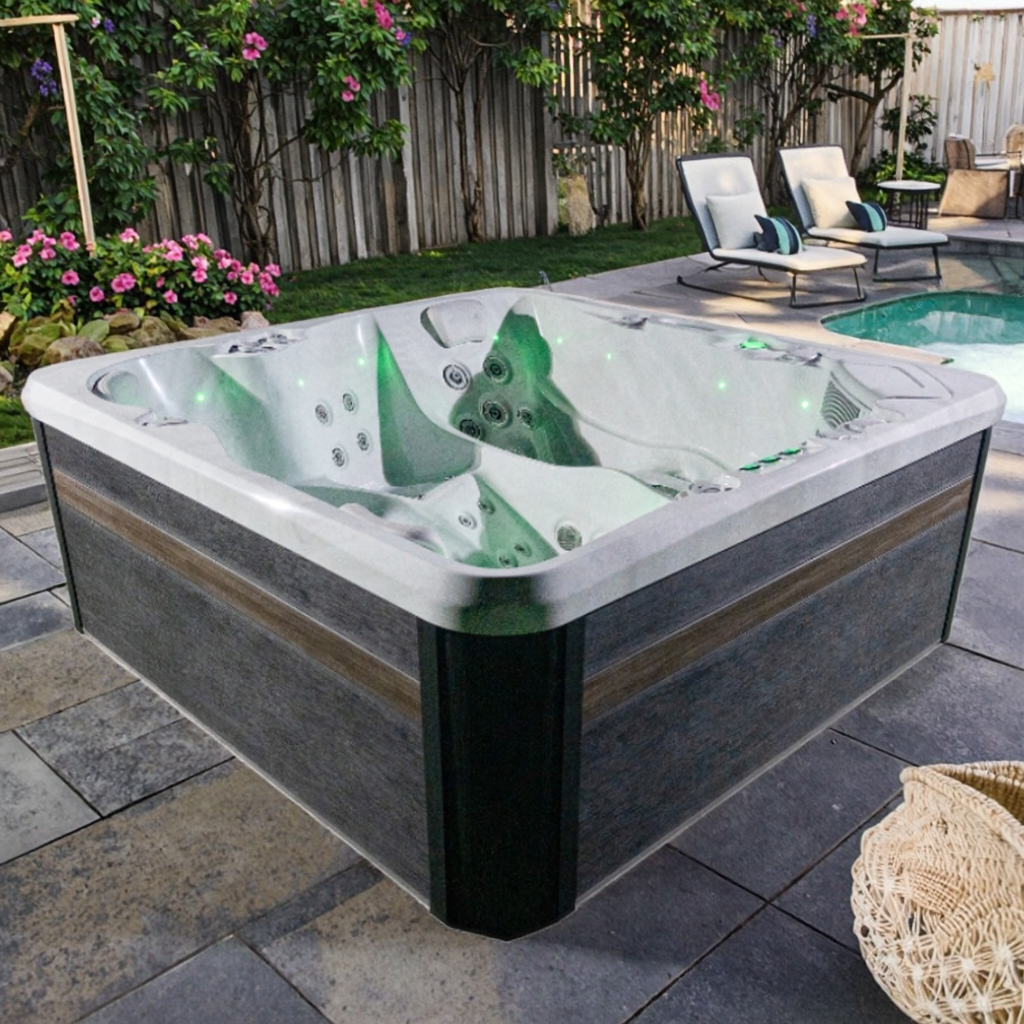
איזה צבע צריך להיות בדרך כלל של ג'קוזי ספא חיצוני?
למען האמת, אין ולו צבע כחול סטנדרטי אחד שכל הציוד בג'קוזי חיצוני חייב להציג. הצבע החזותי של המים מושפע מצבע ריפוד האמבטיה, אור הסביבה, עומק המים וריכוז המינרלים במים. עם זאת, מנקודת מבט של תחזוקה, המצב האידיאלי הוא מים צלולים ושקופים ללא גוונים חריגים ברורים, עכירות מתמשכת, או חומר מרחף מורגש, שכבת שמן או משקעים חריגים.
מנקודת מבט של ניהול איכות מים, מה שחשוב באמת הוא לא האם המים כחולים, אלא האם המים השתנו פתאום. לדוגמה, אם ג'קוזי חיצוני מציג באופן עקבי גוון כחול מעט, נשאר יציב, אין לו ריח או עכירות, ורמות ה-pH והחיטוי שלו נמצאות בטווח הנורמלי, אז בדרך כלל אין צורך בטיפול מוגזם המבוסס אך ורק על צבעם החזותי. לעומת זאת, אם מים שהיו צלולים בעבר הופכים פתאום לצהבהבים-ירוקים, חומים או כחלחלים-ירוקים תוך שעות מהוספת חומר חיטוי, גם אם המים נשארים צלולים, יש לקחת בחשבון גורמים כימיים כמו חמצון יוני מתכת.
המרכז לבקרת מחלות ומניעתן (CDC) ממליץ על בדיקות קבועות של רמת החומציות (pH) וריכוז חומר החיטוי בבריכות שחייה ביתיות ובבריכות שחייה חיצוניות.ספָּא ג'קוזי, תוך ציון שרמת החומציות המומלצת לג'קוזי ביתי היא 7.0-7.8, עם לפחות 3 ppm כלור חופשי; אם משתמשים בברום, מומלץ בדרך כלל 4-8 ppm. ה-CDC ממליץ גם לבצע בדיקות לפחות פעמיים ביום, עם תדירות מוגברת כאשר אנשים רבים משתמשים במים לעתים קרובות.
לכן, עבור ג'קוזי חיצוני, שינוי צבע המים צריך להיחשב כסימן המחייב בדיקה נוספת, ולא כשיפוט ישיר של איכות המים המבוסס אך ורק על צבע.
בָּחוּץספָּא מי ג'קוזי הופכים לירוקים: אצות או נחושת?
ירוק הוא אחד הצבעים שקל ביותר לפרש בצורה שגויה על ידי משתמשים, משום ש-"greend" יכול לייצג לפחות שתי אפשרויות שונות לחלוטין: צמיחת אצות ושינויי צבע הנגרמים על ידי יוני מתכת.
אם המים בג'קוזי ספא חיצוניהופך לירוק מעונן, ודפנות האמבטיה חלקלקות, מופיעים משקעים בתחתית, המסנן מלוכלך באופן ניכר, ורמת כלור חופשי או ברום נמוכה באופן עקבי, אז יש לחשוד בצמיחה מיקרוביאלית או אצות. ג'קוזי חיצוניים חשופים כל הזמן לאוויר ולאור שמש, מה שמאפשר לאבק, חומר אורגני ומיקרואורגניזמים להיכנס למים באופן רציף. מערכות חיטוי רגילות יכולות לשלוט במזהמים אלה, אך אם חומר החיטוי אינו מספיק למשך תקופה ממושכת, הסיכון עולה משמעותית.
ה-CDC מציין כי תחזוקה לא נכונה של ג'קוזי ספא עלולה להוביל לבעיות מיקרוביאליות כמו פסאודומונס וממליץ לשמור על לפחות 3 ppm של כלור חופשי או 4 ppm של ברום, תוך שמירה על רמת pH בין 7.0 ל-7.8.
עם זאת, אם המים בג'קוזי חיצוני הם ירוקים צלולים, כלומר גם אם המים הופכים לירוקים, הפיות, התחתית והמיכל הפנימי עדיין נראים בבירור, אז לא ניתן לייחס זאת בפשטות לאצות. יוני נחושת הם סיבה מדאיגה מאוד. נחושת עשויה להגיע ממי התוספת או להיות קשורה לקורוזיה של חלקי המתכת של הציוד. במיוחד כאשר המים חומציים באופן כרוני, קורוזיה של רכיבי מתכת עלולה לשחרר יוני מתכת למים. הוספה לאחר מכן של כלור או חומרים מחמצנים אחרים עלולה לגרום לחמצון של מתכות אלו, וכתוצאה מכך לשינוי צבע פתאומי ומורגש.
נתונים טכניים של ה-CDC על מתקנים ימיים מצביעים גם על כך שנחושת במים עשויה להגיע ממוצרים המכילים נחושת או מצינורות חלודים, בעוד שברזל ומנגן מגיעים לעתים קרובות ממי ההשלמה.
לכן, כשמסתכלים על שטח ירוק חיצוני ספָּאבג'קוזי, השיפוט הראשון החשוב ביותר הוא: אם הוא ירוק ועכור, יש לתת עדיפות לבדיקת חיטוי, סינון וזיהום אורגני; אם הוא ירוק אך שקוף, יש לקחת בחשבון גורמים כמו נחושת, ברזל ומנגן.
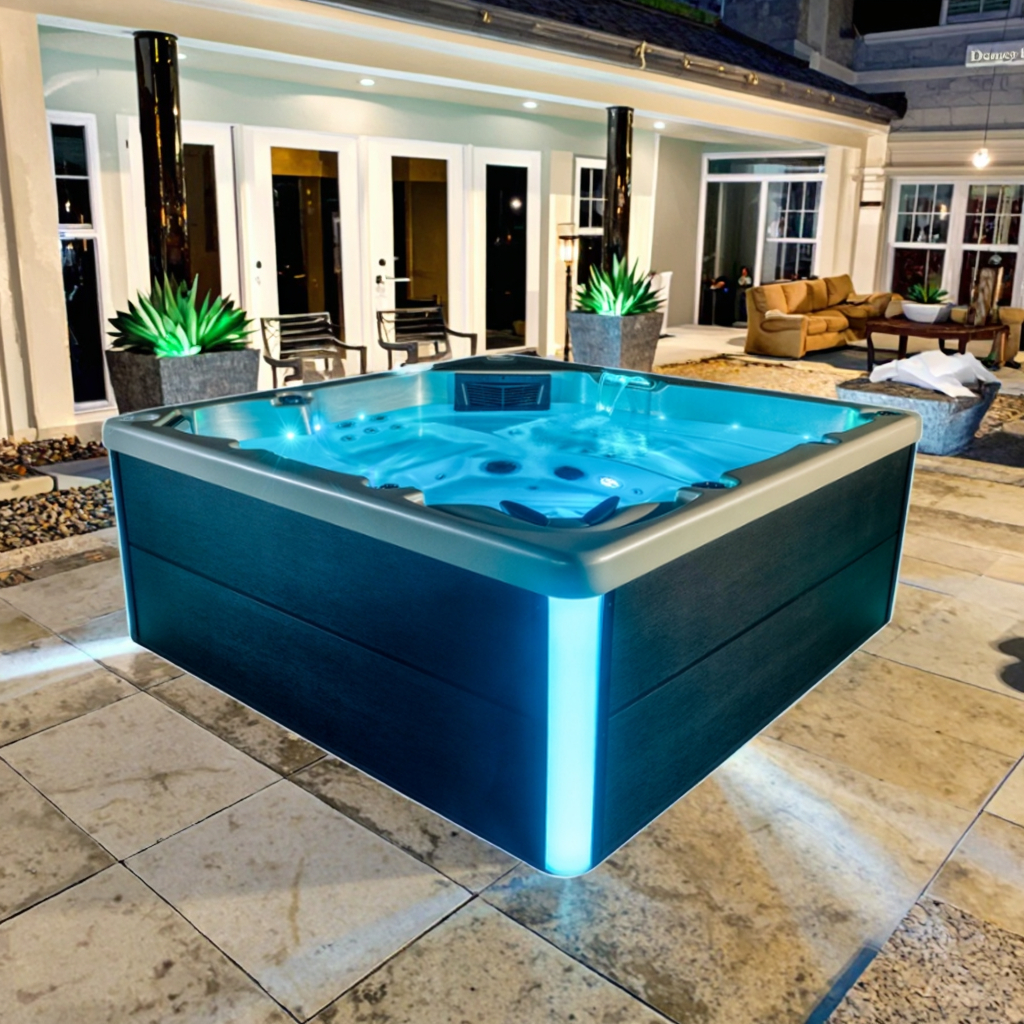
מה גורם למים מצהיבים בחוץספָּא ג'קוזי בדרך כלל אומר?
אין לפרש את מי הג'קוזי החיצוניים הצהובים או הצהובים החיוורים כמים מלוכלכים.
סיבה נפוצה היא חמצון יוני ברזל. חלק ממי התהום, מי בארות או מי איפור עם תכולת מינרלים גבוהה עשויים להכיל כמות מסוימת של ברזל מומס. כאשר הם נשפכים לראשונה לאמבט, חומרים אלה עשויים שלא לגרום לשינוי צבע מורגש מכיוון שחלק מהברזל עדיין במצב מומס. עם זאת, כאשר הג'קוזי החיצוני מחומם ומוסיפים כלור או חומרים מחמצנים אחרים, הברזל עלול להתחמצן וליצור חומרים צהובים, כתומים, חומים או בצבע חלודה בולטים יותר. זו הסיבה שחלק מהמשתמשים מגלים שהמים היו צלולים בעת המילוי הראשון, אך הפכו לצהיבו לאחר החימום והחיטוי. במציאות, ייתכן שחומר החיטוי לא יוצר את הצבע הצהוב, אלא גורם לתגובת חמצון נראית לעין של מתכות שכבר קיימות במי המילוי.
אם המים הצהובים מלווים במשקעים חומים, סימנים דמויי חלודה ליד קו המים, או פילטר שמתלכלך במהירות, יש לבדוק את תכולת הברזל והמנגן במי המילוי, במקום להוסיף חומר חיטוי באופן עיוור.
זה חשוב במיוחד עבור משתמשי ג'קוזי חיצוני המשתמשים במי באר. כל החלפת מים יכולה להחזיר מינרלים כמו ברזל ומנגן למערכת. ניקוי פשוט של המים הדהויים מבלי לטפל בבעיית מקור המים עלול לגרום לאותה בעיה לחזור לאחר כל מילוי.
מה גורם למי ג'קוזי חיצוני להיראות חומים, כתומים או אפילו בצבע חלודה?
חום וכתום נוטים יותר לתת רושם של זיהום מים חמור מאשר צהוב בהיר, אבל בחוץ בפועלספָּא תחזוקת ג'קוזי, חמצון מתכת נותר אפשרות משמעותית.
ברזל הוא אחד הגורמים התורמים הנפוצים ביותר. כאשר מים המכילים ברזל נכנסים לג'קוזי חיצוני, ההשפעות המשולבות של חמצן, חום וחומרי חיטוי עלולות לגרום לברזל להפוך לצורות היוצרות בקלות רבה יותר מוצקים מרחפים או משקעים. המים עשויים בסופו של דבר להיראות בצבע תה, חום-צהבהב, כתום או חום-אדמדם.
אם ג'קוזי הספא החיצוני היה צלול לחלוטין לפני הוספת המים, ולאחר מכן הפך במהירות לחום לאחר הוספת כלור או חומר הלם, הסבירות לחמצון מתכת גבוהה יחסית. לעומת זאת, אם המים עכורים וחומים מלכתחילה, מלווים בכמות גדולה של חלקיקים, בוצה או ריח מורגש, יש צורך בבדיקה נוספת כדי לקבוע אם יש זיהום במי החידוש, בצינורות או במערכת הסינון.
In such cases, continuously adding chlorine is not recommended. If the real problem is iron, manganese, or other metals, adding more oxidants will not fundamentally address the metal source and may even make the color more pronounced in a short time.
The professional approach is to first identify the source of the metal, and then implement metal control, filtration, or water replacement according to a water treatment plan. For areas where the water source itself has a high mineral content, testing and pre-treating the replenished water before changing it is usually more effective than trying to salvage the situation only after browning occurs.
What does blue or blue-green outdoor hot tub water indicate?
Many outdoor whirlpool spa hot tubs naturally use blue, white, or light-colored liners, so a slight blue tint doesn't necessarily indicate an abnormality. However, if the water suddenly turns a noticeable blue-green, especially if the water was previously clear and colorless, it's necessary to consider metal factors such as copper.
Copper can exhibit blue, blue-green, or even green hues under different water chemistry conditions. Especially in acidic water, corroded metal parts, or when the top-up water contains copper, copper can react further after entering the water. Adding chlorine, bromine, or non-chlorine shock agents may suddenly make the color more pronounced.
If the water remains clear, but blue-green streaks appear on the tub's inner walls, around the nozzles, or near the waterline, the likelihood of a metal problem increases further.
Here's an easily overlooked point: **water discoloration caused by metals and water discoloration caused by algae require completely different treatments.** The former primarily requires addressing the source of the metal and water chemistry issues, while the latter requires focusing on checking the disinfection system, filtration system, and hygiene. Mistaking metal discoloration for algae may lead to excessive and repeated chemical additions without resolving the problem.
What if the water in your outdoor hot tub is milky white or grayish-white?
If the water in your outdoor spa hot tub isn't yellow, green, or brown, but instead turns milky white, grayish-white, or cloudy like "milk," the problem is often not simply a metallic color. It's more likely related to suspended particles, calcium carbonate precipitation, air bubbles, inadequate filtration, or water quality imbalance.
For example, high calcium hardness, along with high pH and total alkalinity, can increase the risk of calcium carbonate precipitation under high temperatures. Outdoor hot tubs operate at around 37–40°C for extended periods, making them more susceptible to changes in water chemical balance than ordinary cold water environments. Adding large amounts of baking soda, high total alkalinity, or hard water as filler can further exacerbate this, potentially resulting in white sediment or milky-white turbidity.
Another possibility is an overloaded filter. When there are large amounts of fine particles, organic matter, or metal oxides in the water, and the filter is clogged or the circulation flow is insufficient, these substances cannot be removed from the water in time, potentially causing the water to remain grayish-white or cloudy for a long time.
Therefore, milky-white water cannot be simply solved by "adding more disinfectant." It's necessary to check pH, total alkalinity, calcium hardness, filter condition, and circulation flow rate simultaneously.
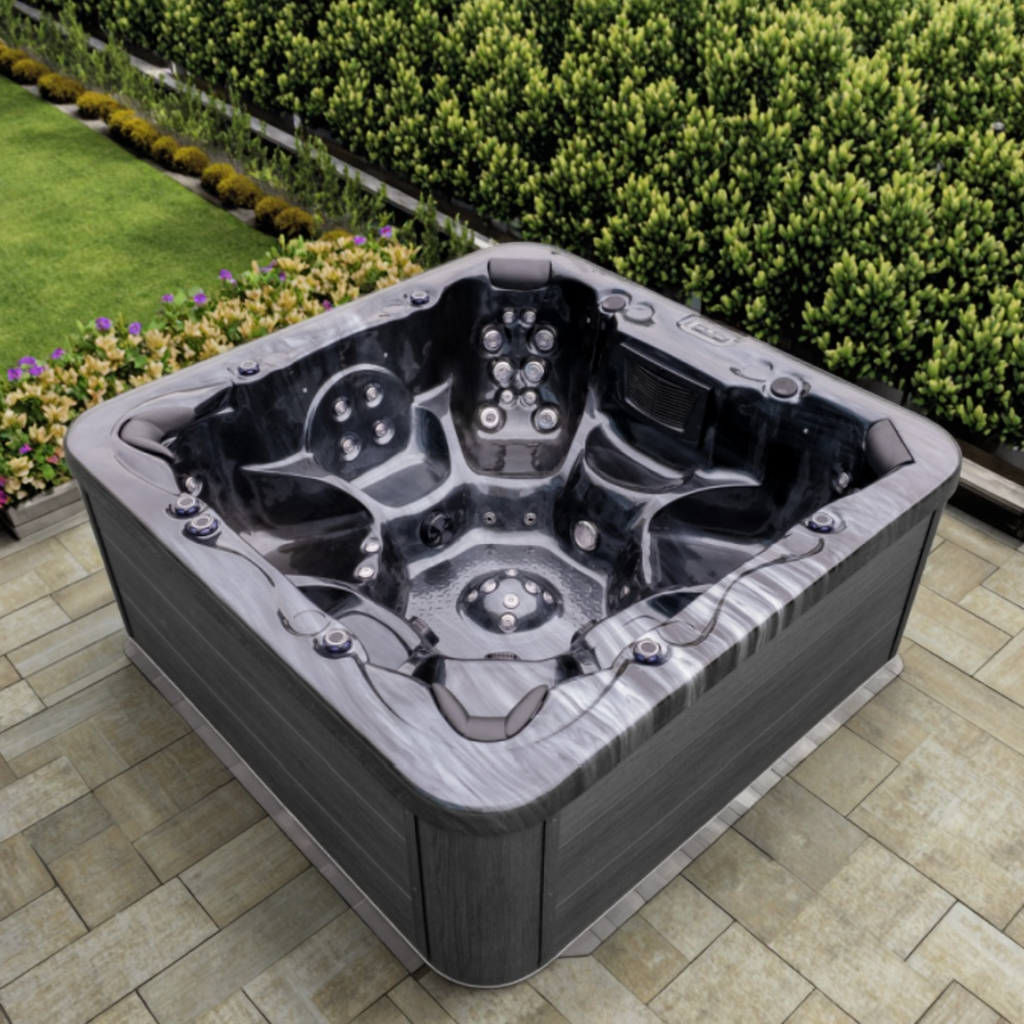
Does black or dark gray water indicate severe contamination in an outdoor hot tub?
Black water is relatively rare, but it should be addressed seriously if it appears. Black, dark gray, or noticeably dark water may be related to manganese, metal oxides, severe organic contamination, pipe deposits, or a contaminated filtration system.
If users haven't cleaned the filters and pipes of their outdoor whirlpool spa hot tubs for a long time, organic matter, minerals, and biofilms may accumulate inside. When these deposits re-enter the water under water flow, temperature changes, or impact treatments, they can cause a sudden darkening of the color.
The CDC recommends regularly checking the circulation system for slime or biofilm during spa hot tub operation and maintenance, and maintaining the filter and changing the water according to the manufacturer's recommendations.
Therefore, if black or dark gray water is accompanied by a slimy surface, odor, or a severely contaminated filter, normal bathing should not continue. The tub should be stopped, and the filtration system, inner tank, nozzles, and circulation pipes should be inspected and treated according to the equipment manufacturer's deep cleaning procedures.
When should the water in an outdoor hot tub be changed when it turns discolored?
Not all discoloration requires immediate drainage, but not all discoloration is suitable for "continuing to add chemicals."
If it's just a slight metallic discoloration and the water quality parameters are generally normal, it may gradually recover with proper metal control and filtration. If it's just a case of high filter load, cleaning or replacing the filter may also improve the situation.
However, if an outdoor spa hot tub hasn't had its water changed for a long time, total dissolved solids accumulate, and there's severe turbidity, foam, odor, metallic contamination, or repeated water quality imbalances, then continuing to add various chemicals may only make the water more complex. In this case, draining, cleaning the tub, cleaning or replacing the filter, and then refilling with properly treated water is usually more reasonable.
The CDC's maintenance recommendations for public whirlpool spa hot tubs state that all or part of the water should be drained and replaced periodically depending on usage frequency and water quality, and the filter media should be cleaned or replaced before refilling, depending on the filter type.
For residential outdoor whirlpool spa hot tubs, the specific water change interval should be based on the manufacturer's instructions, usage frequency, and actual water quality, rather than mechanically following a fixed number of days.
FAQ: Common Issues Regarding Color Changes in Outdoor Hot Tubs
1. Does green water in an outdoor spa hot tub necessarily indicate algae growth?
Not necessarily. If the water is green and cloudy, with low disinfectant levels and a slippery surface, algae or microorganisms should be considered. However, if the water remains clear but has a bluish-green tint, copper or other metal ions should be considered. The treatment methods for these two situations are completely different.
2. Why does the water in my outdoor spa hot tub turn yellow immediately after a change?
If the water gradually turns yellow after heating and disinfection following a water change, one common reason is the oxidation of iron or manganese in the added water. This is especially important when using well water or water sources with high mineral content; the added water should be tested, rather than simply adding chlorine.
3. Why does the water in my outdoor spa hot tub turn brown after adding chlorine?
Oxidizing agents such as chlorine can promote the oxidation of iron, manganese, or copper in the water, making previously subtle metallic colors more pronounced. Therefore, chlorination may be a factor that "triggers color development," not necessarily the actual source of pollution.
4. Is bluish-green water in an outdoor spa hot tub dangerous?
Color alone cannot determine whether it is dangerous. A blue-green color may originate from metals such as copper, or be influenced by the color of the bathtub liner and ambient light. pH and disinfectant levels should be tested, and the metal content should be checked depending on the water source and equipment.
5. Can I continue using an outdoor whirlpool spa hot tub after the water has changed color?
It is not recommended to continue using it if the cause is unknown. If cloudiness, unusual odors, a slimy surface, insufficient disinfectant, or a significantly abnormal pH also occur, use should be discontinued immediately. The CDC recommends maintaining a pH of 7.0–7.8 in home spa hot tubs and keeping free chlorine at least 3 ppm or bromine at 4–8 ppm.